UV Printer: The Ultimate Guide to Ultraviolet Printing Technology
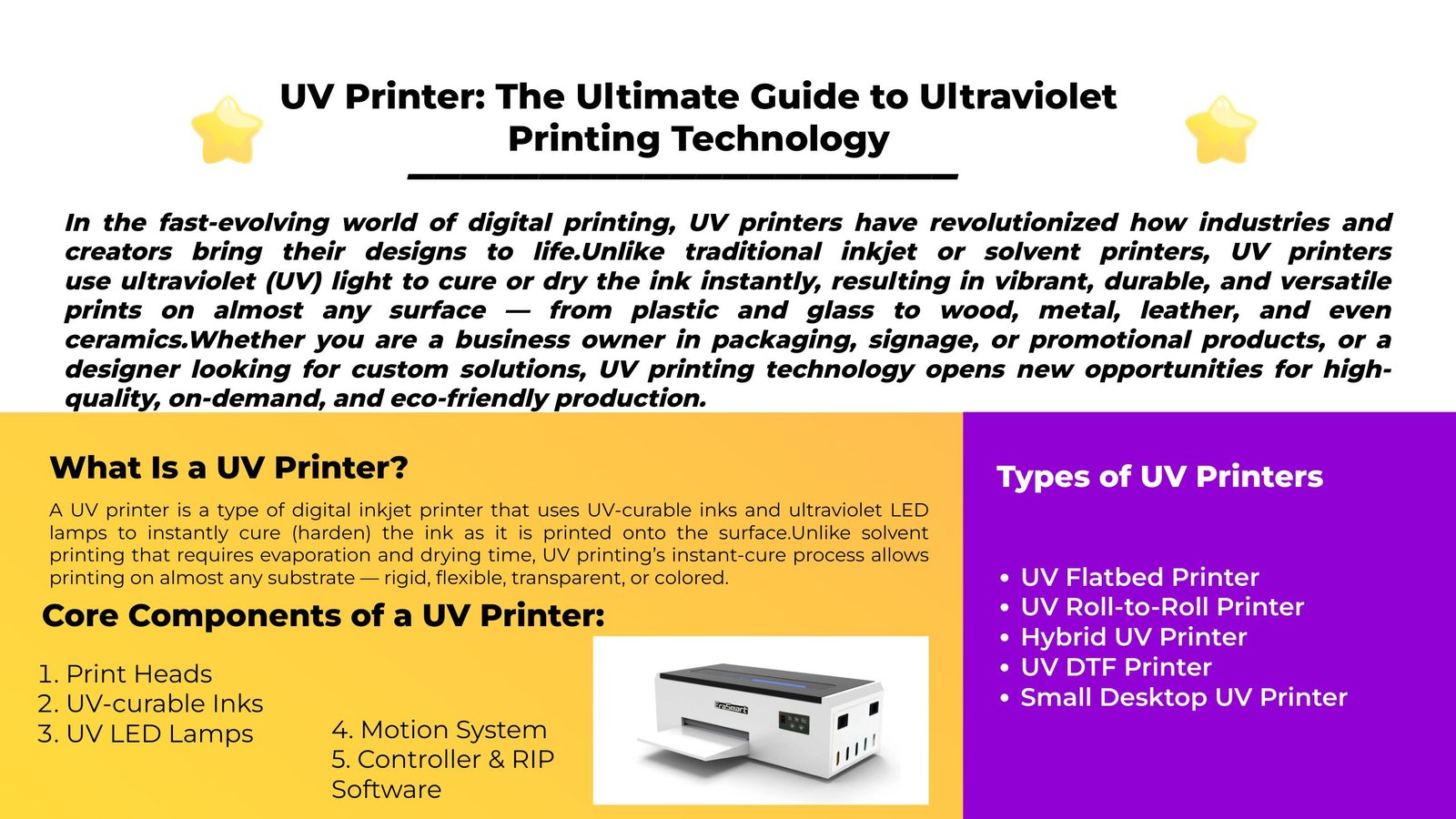
In the fast-evolving world of digital printing, UV printers have revolutionized how industries and creators bring their designs to life.
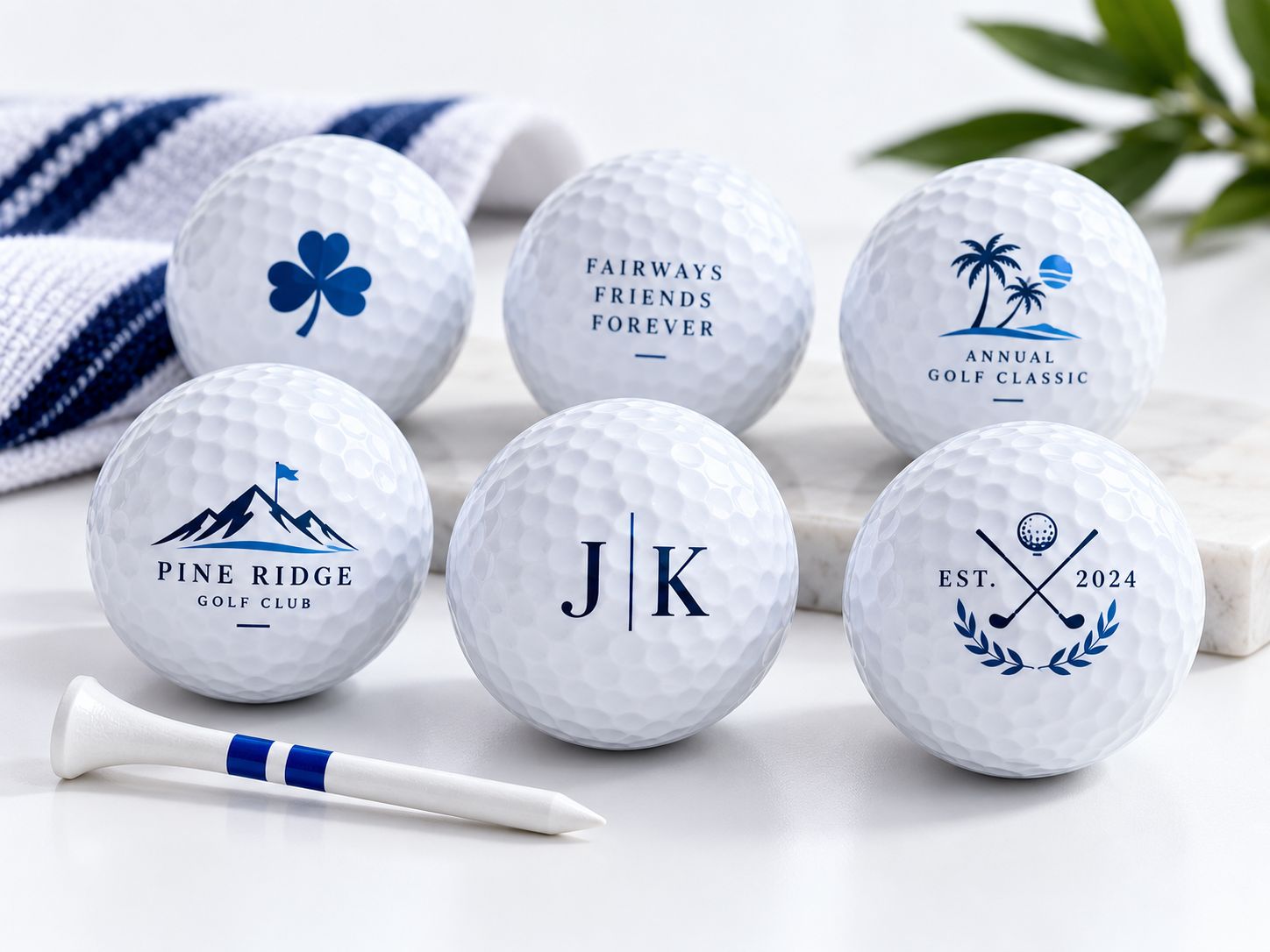
Unlike traditional inkjet or solvent printers, UV printers use ultraviolet (UV) light to cure or dry the ink instantly , resulting in vibrant, durable, and versatile prints on almost any surface — from plastic and glass to wood, metal, leather, and even ceramics.
Whether you are a business owner in packaging, signage, or promotional products, or a designer looking for custom solutions, UV printing technology opens new opportunities for high-quality, on-demand, and eco-friendly production.
A UV printer is a type of digital inkjet printer that uses UV-curable inks and ultraviolet LED lamps to instantly cure (harden) the ink as it is printed onto the surface.
Unlike solvent printing that requires evaporation and drying time, UV printing’s instant-cure process allows printing on almost any substrate — rigid, flexible, transparent, or colored .
Print Heads: Usually piezoelectric inkjet heads that eject micro-droplets of ink with extreme precision. UV-curable Inks: Special inks containing photoinitiators that solidify under UV light. UV LED Lamps: Emit UV light to cure the ink instantly after it is deposited. Motion System: High-precision linear rails and servo motors for stable print movement. Controller & RIP Software: Manage color, resolution, and printing parameters. Erasmart UV Printer List
Compact entry-level model with L800 print head, ideal for small items and hobby projects (120*210mm print size).
L800 print head with 210*290mm print size, perfect for small businesses and personalized gifts (0-130mm print height).
DX7 print head with 350*450mm print size, suction platform, and CMYK+WW+VV for high-volume production.
XP600 print head with 350*450mm print size, 5㎡/H speed, ideal for medium to large production runs.
Dual XP600 print heads with 5.5㎡/H speed, CMYK+WW+VVVVVV for enhanced color gamut and productivity.
Dual XP600 print heads with 350*450mm print size, designed for industrial-grade continuous production.
Large-format 420*600mm printer with dual XP600 heads, perfect for signage, panels and large materials.
Dual XP600 heads with automatic lamination, specialized for UV DTF film printing (width up to 350mm).
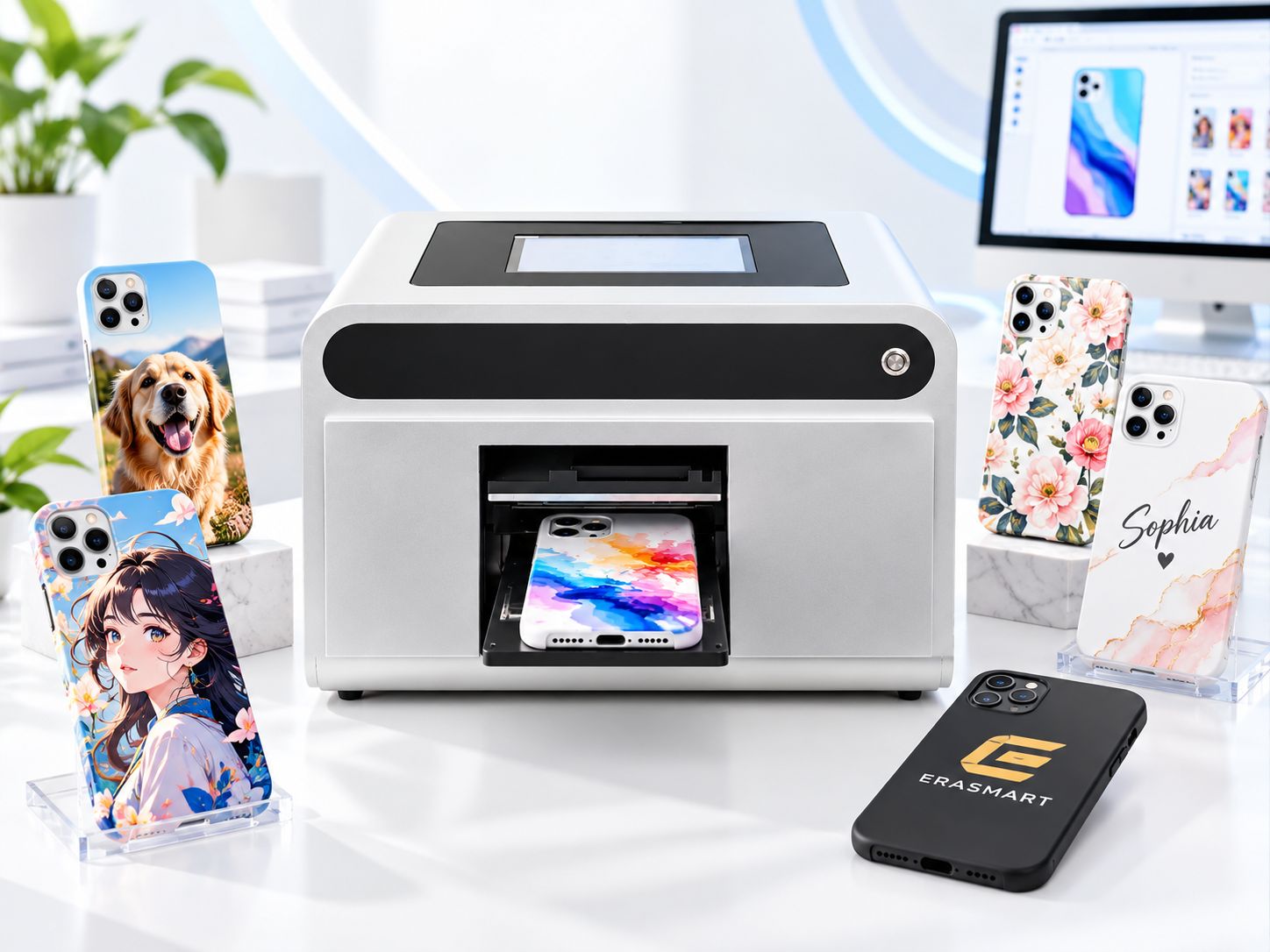
Specialized for phone cases (TPV/PVC/wood/metal), with 10-inch display and 0-10mm adjustable height.
The design or artwork is processed by RIP (Raster Image Processor) software , converting it into printer-readable data.
The printer’s piezo print heads spray tiny droplets of UV-curable ink onto the substrate in a controlled pattern.
Immediately after the ink lands, UV LED lamps emit ultraviolet light that activates the photoinitiators in the ink, turning it from liquid to solid within milliseconds.
Because UV printing is non-absorptive, you can print multiple layers (for textures, 3D reliefs, or Braille effects) and achieve glossy, matte, or embossed finishes.
Type Description Ideal Use UV Flatbed Printer Prints directly onto flat rigid materials (acrylic, wood, metal, glass). Signage, décor, packaging prototypes. UV Roll-to-Roll Printer Designed for flexible substrates like vinyl, film, and fabric. Banners, wallpapers, vehicle wraps. Hybrid UV Printer Combines flatbed and roll printing in one machine. Mixed media production. UV DTF Printer Prints onto a PET film, then transfers to irregular objects. Tumblers, bottles, phone cases. Small Desktop UV Printer Compact units for personalization and gifts. Phone covers, pens, accessories. Advantages of UV Printing Technology
Print on Almost Any Surface UV printers can print on metal, glass, acrylic, wood, ceramic, plastic, fabric, and leather — virtually any substrate. Instant Drying UV ink cures immediately under UV light, allowing zero waiting time and no smudging . Vibrant and Durable Colors The cured ink layer is tough, scratch-resistant, and UV-resistant, maintaining bright colors for years. Eco-Friendly Printing UV printers produce no VOCs , require no solvents , and reduce waste, making them environmentally safer. Raised & Textured Effects Layered printing enables 3D textures, Braille, and embossing effects that traditional printers can’t achieve. White & Varnish Ink Printing Allows under-printing on dark materials and adding glossy or matte finishes for premium results. Low Maintenance and Long Life Modern UV LED systems last tens of thousands of hours and consume less energy than mercury lamps.
UV-Curable Inks: The Heart of the Technology
UV inks are specially formulated to cure under UV light instead of drying by evaporation. They contain:
Monomers and Oligomers – Form the base polymer layer. Pigments – Provide color. Photoinitiators – Trigger polymerization under UV light. Advantages of UV inks:
High chemical and abrasion resistance. Odorless and environmentally safe. Excellent adhesion on multiple materials.
Material Example Applications Acrylic Display panels, LED signs Metal Nameplates, aluminum panels Glass Décor panels, mirrors, awards Plastic (ABS, PVC, PET) Promotional gifts, phone cases Wood Furniture, signage, décor items Ceramic Tiles, mugs, souvenirs Leather Wallets, shoes, accessories UV printing’s ability to print on non-porous materials is what sets it apart from other technologies.
Large-format UV flatbed printers produce durable outdoor and indoor signs, backlit panels, and exhibition displays.
UV printers allow direct printing on cartons, bottles, or packaging prototypes with instant proofs.
Used for custom printing on pens, USB drives, lighters, power banks, and gifts.
Print directly on control panels, keypads, or instrument casings.
Wood panels, glass walls, tiles, and furniture elements can all be customized with UV graphics.
UV DTF (Direct to Film) enables vibrant transfers on shoes, bags, and synthetic fabrics.
Feature UV Printing Traditional Printing (Solvent/Screen) Drying Time Instant Minutes to hours Material Compatibility Almost any material Limited (paper, fabric) Color Durability High (UV & scratch resistant) Moderate Environmental Impact Eco-friendly Uses solvents, VOCs Setup Cost Higher initial, low running Lower setup, higher maintenance Special Effects 3D, texture, varnish Limited Small Batch Printing Cost-effective Expensive for short runs Maintenance and Care of UV Printers
Regular Print Head Cleaning – Prevents nozzle clogging. Ink Circulation System Maintenance – Keeps pigments evenly dispersed. UV Lamp Inspection – Ensure consistent curing intensity. Temperature and Humidity Control – Stable environment extends printer life. Use Genuine Inks – To avoid chemical incompatibility and ensure adhesion.
UV DTF (Direct to Film) Expansion: Growing trend for printing on irregular shapes. 3D UV Printing: Multi-layer printing for tactile designs and Braille. Smart IoT Printers: Remote monitoring, auto-calibration, and predictive maintenance. Green Manufacturing: Water-based UV inks and recyclable substrates. Hybrid Automation: Robots handling loading/unloading for 24/7 production lines. Buying Guide: How to Choose the Right UV Printer
Material Compatibility – Flatbed for rigid, roll-to-roll for flexible, hybrid for both. Print Size – A3, A2, or large-format depending on production needs. Ink Configuration – CMYK + White + Varnish for maximum versatility. Print Head Brand – Epson, Ricoh, Konica Minolta — each affects resolution and speed. UV Lamp Type – Prefer LED UV for efficiency and longevity. Software & Color Management – Check ICC profile support and RIP compatibility. After-Sales Support – Reliable training, maintenance, and parts availability.
Advantages of UV LED over Mercury Lamp Systems
Feature UV LED Mercury Lamp Lifetime 10,000–20,000 hours ~1,000 hours Power Consumption Low High Heat Generation Minimal High Startup Time Instant Requires warm-up Environmental Impact Eco-friendly Contains mercury Industries Benefiting from UV Printing
Advertising and Signage Gift Customization Home Décor Automotive Interiors Electronics Labeling Packaging Fashion Accessories
Q1: Can a UV printer print white ink? Yes. White ink allows printing on dark or transparent materials by creating a background layer.
Q2: Is UV printing waterproof and scratch-resistant? Yes. UV-cured inks form a hard coating that resists water, abrasion, and UV light.
Q3: Can I print on curved objects? Flatbed UV printers are designed for flat surfaces, but with jigs or UV DTF films, you can print on curved or irregular items.
Q4: How long does UV ink last? Typically 2–3 years outdoors and 5+ years indoors, depending on material and conditions.
Q5: What file formats are supported? Most printers accept TIFF, JPG, PDF, and PNG files through RIP software.
Q6: Are UV printers safe to use? Modern LED UV systems are safe and energy-efficient, but operators should avoid direct UV exposure.
UV printing aligns with global sustainability trends:
Zero VOC emissions Energy-efficient curing Reduced waste and recycling possibilities No chemical solvents or water usage
UV printing represents the future of digital printing — fast, clean, and incredibly versatile. With the ability to print vivid, full-color images on virtually any surface, UV printers have redefined personalization, manufacturing, and creative production.
For businesses seeking high-margin customization , eco-friendly printing , and on-demand manufacturing , investing in a UV printer is not just a technology choice — it’s a strategic advantage.